Dr Shahnaz Hashim
Orthodontist & Certified Invisalign® Provider
Dr Shahnaz Hashim
Orthodontist & Certified Invisalign® Provider
Orthodontic Care
Tips & Tricks to Care for Your Teeth with Braces
We’re Here to Help
Braces may slightly change the way you care for your teeth, but with a few simple adjustments, you can keep your smile healthy throughout treatment. Because braces, wires, and retainers can trap food particles, it’s important to maintain excellent oral hygiene. Without proper care, plaque buildup can lead to tooth decay, discoloration, bad breath, or gum problems.
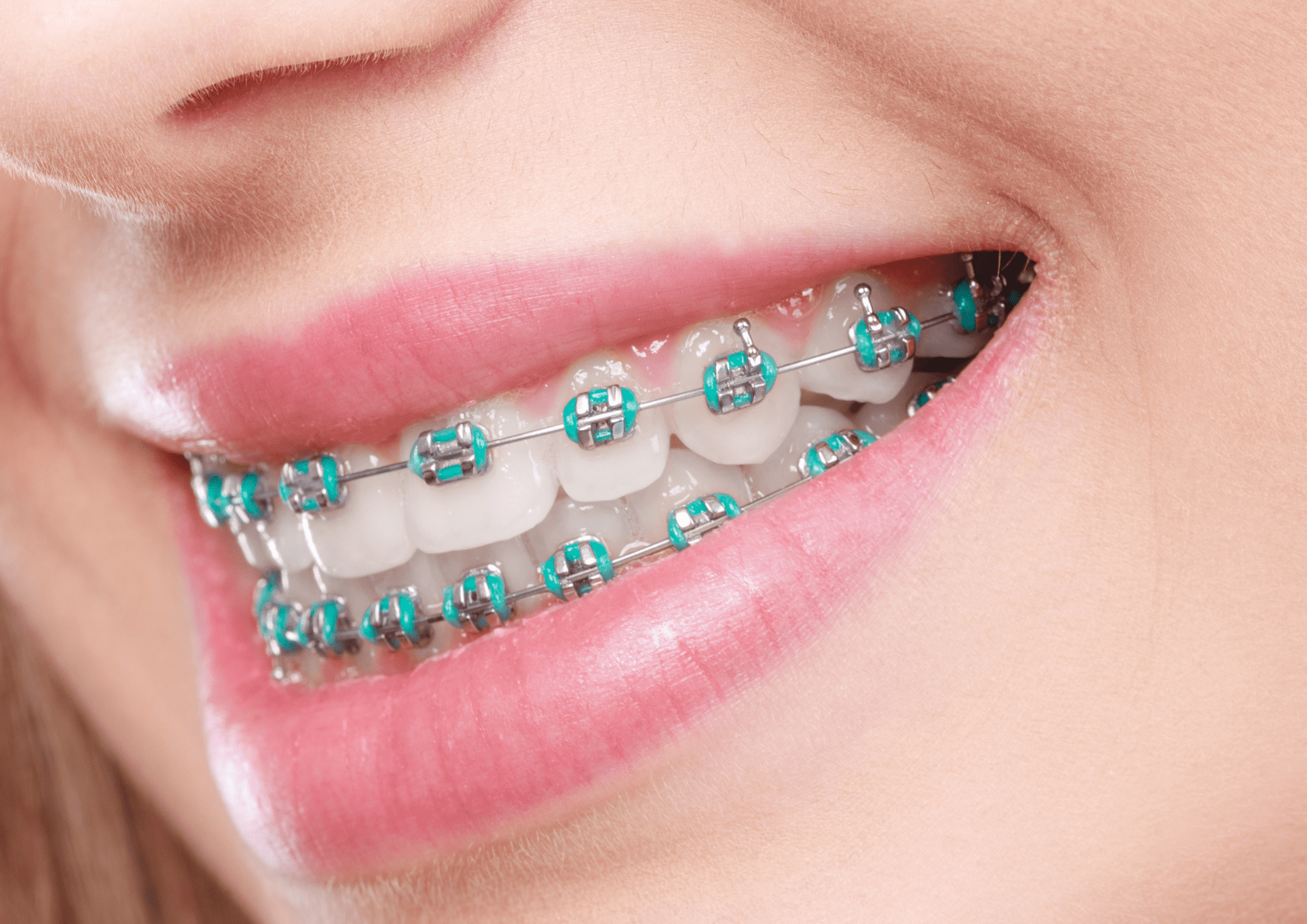
If you already brush and floss daily, you’ll just need to make small changes to your routine.
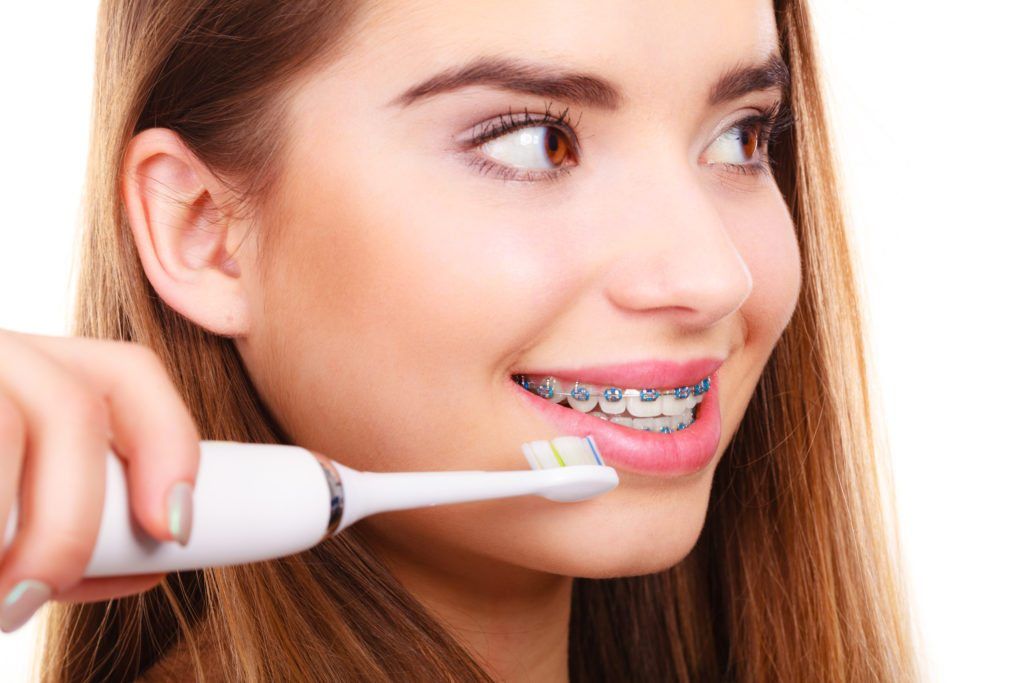
Brushing With Braces
A toothbrush is still your best tool and you can use either a regular toothbrush or an electric one. Many patients prefer electric toothbrushes that rotate in one direction, but either option will safely and effectively clean around braces when used properly.
Tips for brushing:
Divide your mouth into four sections and brush each for at least 30 seconds.
Hold the toothbrush at a 45°–90° angle to your teeth.
Clean gently around the brackets, then brush above and below the braces.
Don’t forget the chewing surfaces and backs of your teeth.
Avoid brushing too hard to protect your braces.
Interdental Toothbrush
Brushing With Braces
A toothbrush is still your best tool and you can use either a regular toothbrush or an electric one. Many patients prefer electric toothbrushes that rotate in one direction, but either option will safely and effectively clean around braces when used properly.
Tips for brushing:
Divide your mouth into four sections and brush each for at least 30 seconds.
Hold the toothbrush at a 45°–90° angle to your teeth.
Clean gently around the brackets, then brush above and below the braces.
Don’t forget the chewing surfaces and backs of your teeth.
Avoid brushing too hard to protect your braces.
Interdental Toothbrush
In addition to your regular toothbrush, an interdental brush (a small, cone-shaped brush) can help clean between brackets and under wires. Gently insert it between the braces to remove plaque and trapped food.
Flossing With Braces
Flossing is essential because it cleans between teeth where toothbrushes can’t reach preventing decay and gum disease. With braces, flossing takes practice, but it quickly becomes routine.
Use a floss threader (we’ll provide some for you) to guide floss under the arch wire. Floss up to the gum line between each tooth. Aim to floss once daily bedtime is ideal but you can also floss after meals for extra freshness.
Rinsing
Rinsing helps wash away loose food particles. Water works well, but you can also use a fluoride or antibacterial mouth rinse for added protection.
Caring for Your Retainer
After your braces are removed, wearing a retainer keeps your teeth in their new positions. Clean your retainer every time you brush by gently scrubbing it with your toothbrush.
For a deeper clean, place your retainer once a day in lukewarm water with a denture-cleaning tablet. This removes plaque, keeps it fresh, and ensures it lasts longer.
✨ With the right care, your orthodontic journey will leave you with a healthy, confident smile that lasts a lifetime.
In addition to your regular toothbrush, an interdental brush (a small, cone-shaped brush) can help clean between brackets and under wires. Gently insert it between the braces to remove plaque and trapped food.
Flossing With Braces
Flossing is essential because it cleans between teeth where toothbrushes can’t reach preventing decay and gum disease. With braces, flossing takes practice, but it quickly becomes routine.
Use a floss threader (we’ll provide some for you) to guide floss under the arch wire. Floss up to the gum line between each tooth. Aim to floss once daily bedtime is ideal but you can also floss after meals for extra freshness.
Rinsing
Rinsing helps wash away loose food particles. Water works well, but you can also use a fluoride or antibacterial mouth rinse for added protection.
Caring for Your Retainer
After your braces are removed, wearing a retainer keeps your teeth in their new positions. Clean your retainer every time you brush by gently scrubbing it with your toothbrush.
For a deeper clean, place your retainer once a day in lukewarm water with a denture-cleaning tablet. This removes plaque, keeps it fresh, and ensures it lasts longer.


Facebook
Instagram
LinkedIn